Persoonlijk advies en betrouwbare voeding voor jouw paard!
Your cart is currently empty
Product image slideshow Items
No clucking for now... but the chickens will be back!
Thank you for your trust and enthusiasm this past year. Thanks to you, it was a wonderful season. From March, we will gladly welcome you again with beautiful chickens looking for a loving home.
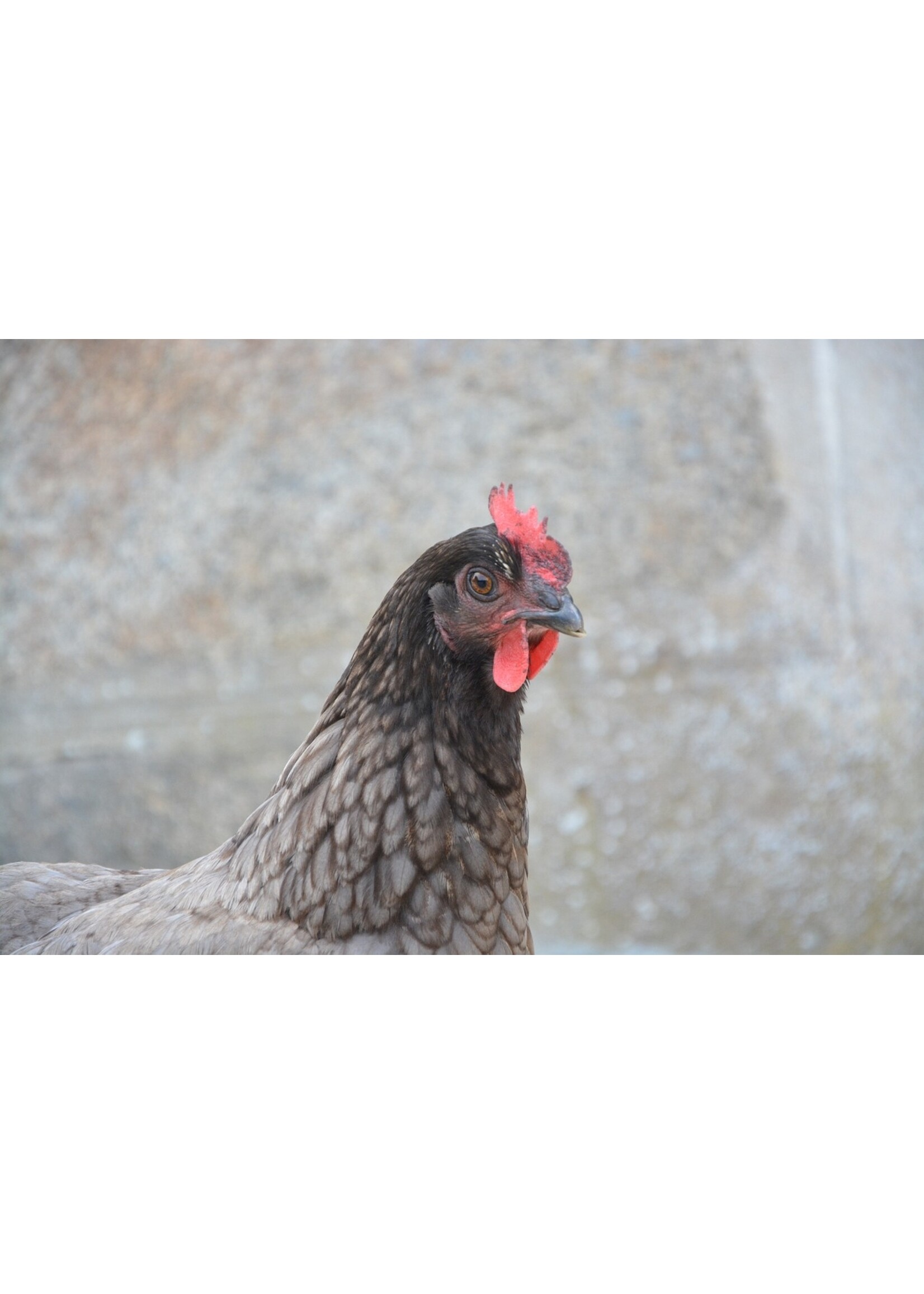
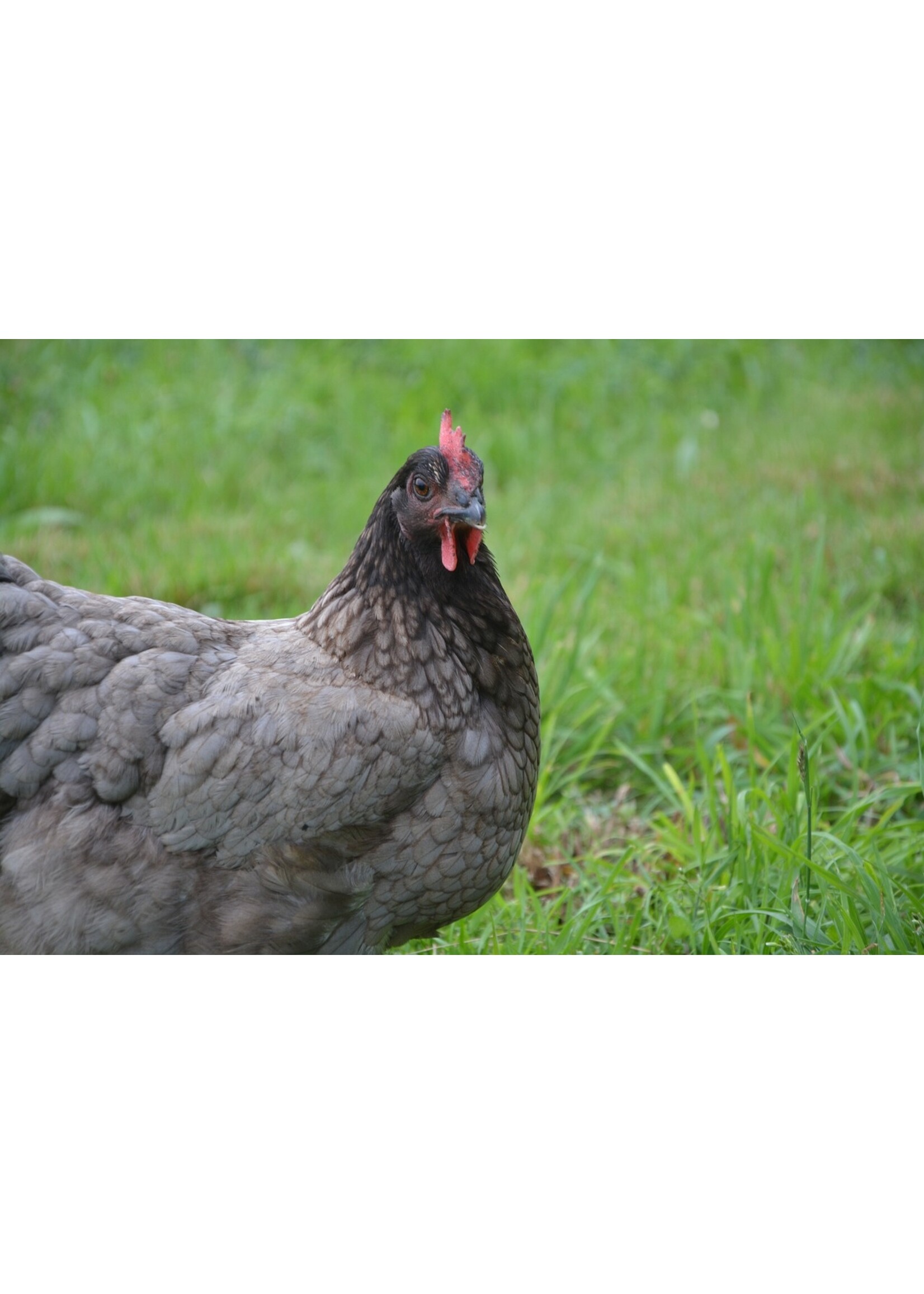
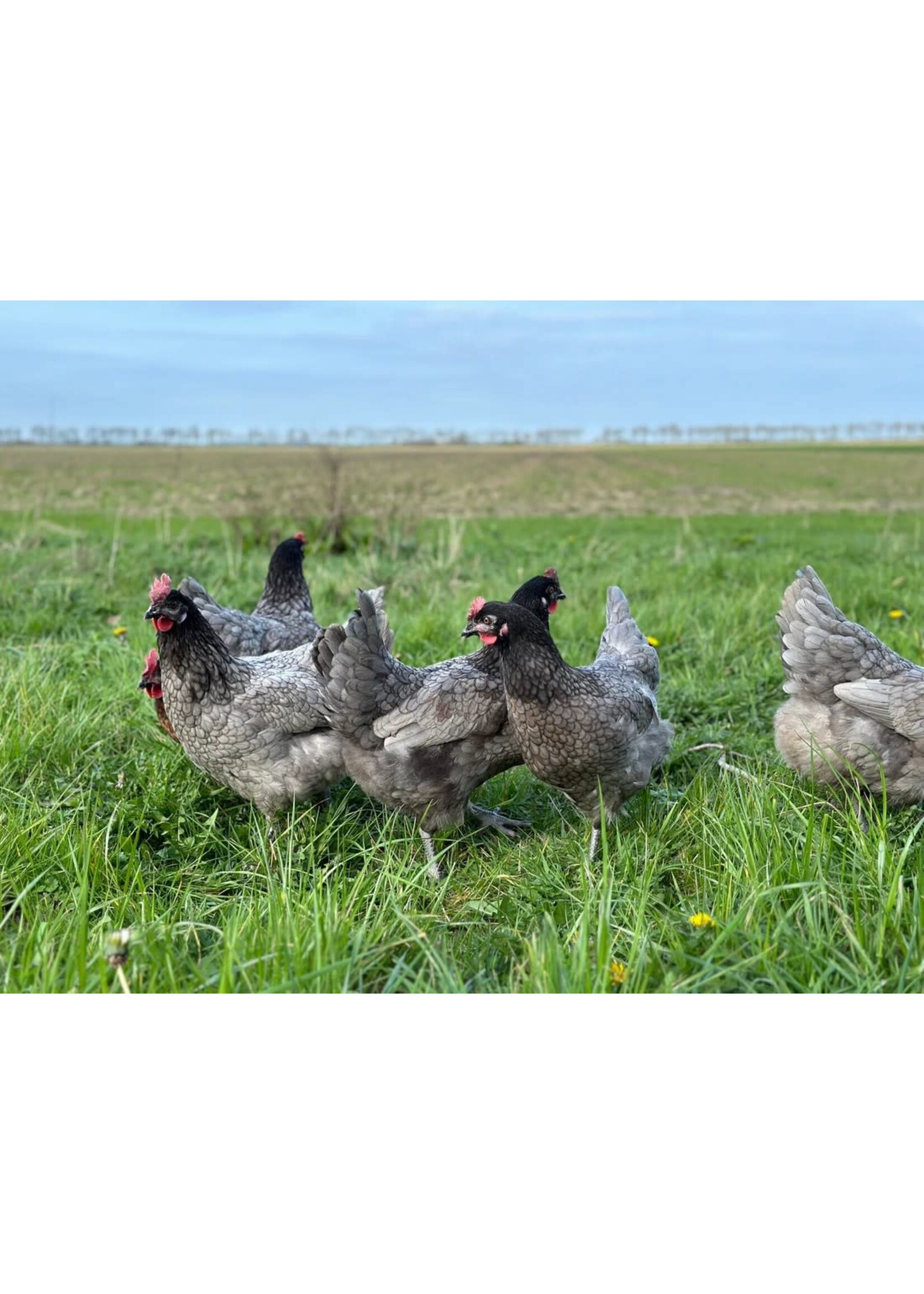
The Bleu de Landes is a hybrid laying hen with attractive grey to blue-grey plumage. It is an interesting choice for anyone looking for a productive layer while adding more colour variation to the flock.
The number of eggs is an indication. Age, season, nutrition and living conditions can influence actual egg production.
The Bleu de Landes is generally a pleasant chicken to keep in a backyard flock. It enjoys foraging but is usually calmer than many lighter and more active hens. With gentle handling, it can also become accustomed to its keepers.
This hen has been selected for good egg production. Laying is strongest during its prime laying period and gradually decreases with age. Production may also temporarily drop during moulting and the darker months.
A spacious run or access to free range gives the Bleu de Landes plenty of opportunity to forage. Its relatively limited tendency to fly makes it practical to keep, although secure fencing and a dry coop remain important.
Important after purchase: newly purchased chickens should initially be fed chick meal. Gradually mix in an increasing amount of regular grain to allow a smooth transition to their subsequent diet.
A good choice for:
Its calm nature makes the Bleu de Landes suitable for keeping with other chickens that are not overly dominant. White Sussex, Cuckoo laying hens and Maran Cuivré are interesting options for a varied flock. Always introduce new chickens gradually.
The Bleu de Landes combines two appealing qualities: good egg production and distinctive blue-grey plumage. It is an attractive option for anyone who wants productive chickens without limiting the flock to traditional brown or white laying hens.
The Bleu de Landes is a good choice if you want a productive layer with a calm nature and distinctive colour. Provide enough space for foraging and preferably combine it with chickens of a compatible temperament.
Not sure whether this is the right choice for your chicken run or flock? We are happy to provide personal advice. Feel free to contact Sonja Neven (0479 95 65 01 in the morning).
